Where we are
WHERE WE ARE
CASTIGLION FIORENTINO
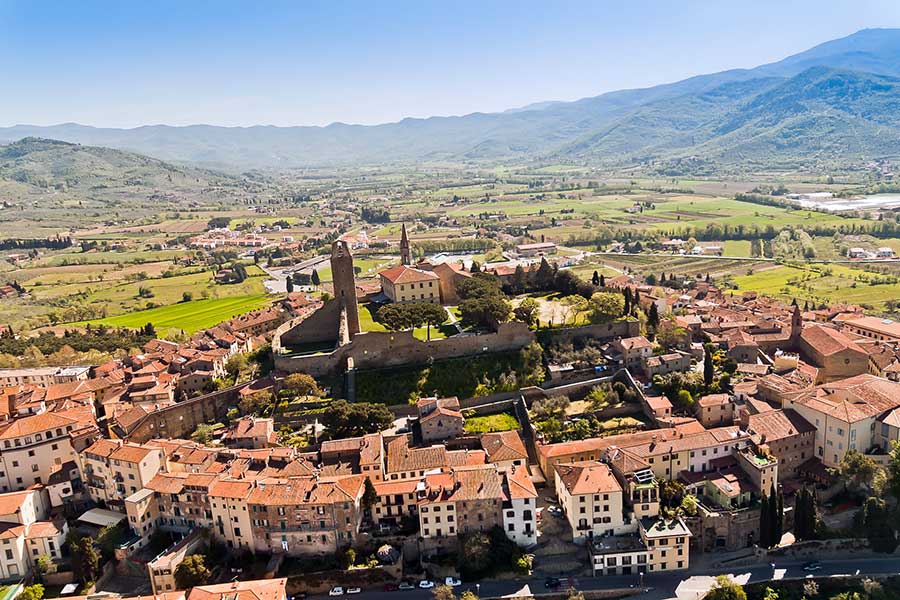
Giglio Dorato is located in a strategic position, immersed in nature but only 2.4 km away from the historic center. Castiglion Fiorentino is located in southern Tuscany on a small hill that from the slopes of the Antiappennino dominates the northern Valdichiana.
Inhabited since prehistoric times, the territory of Castiglion Fiorentino has been a crossroads between the two cities of Arezzo and Cortona, from which it is located about halfway.
Given its strategic position, Castiglione became coveted by the neighbouring powers of Arezzo, Perugia and Florence, which dominated it on several occasions between the 13th and 14th centuries. Each conqueror then changed the name of the small village, so that, in less than two hundred years, Castiglione became ‘Aretino’, ‘Perugino’ and finally ‘Fiorentino’.
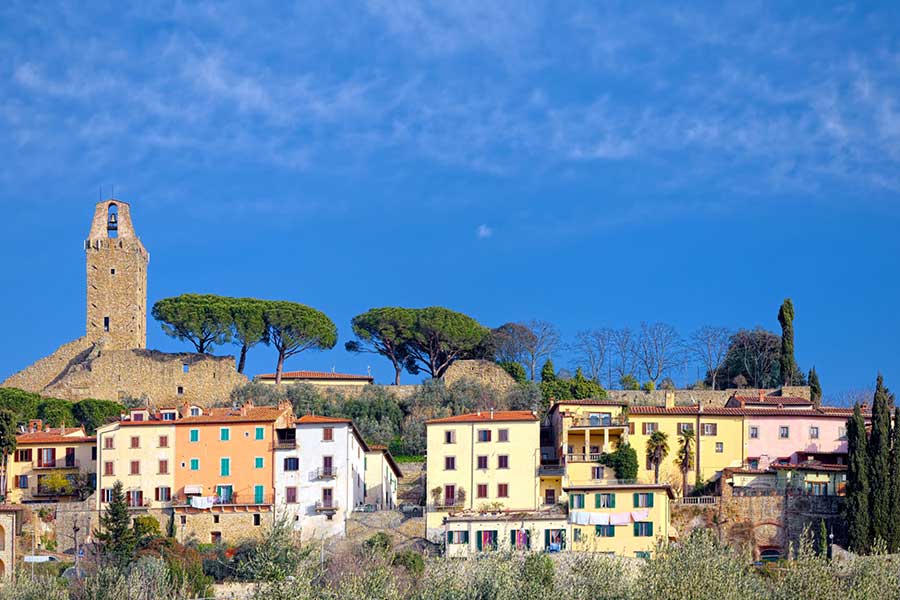
Today, Castiglion Fiorentino presents an expanse of modern quarters in the valley dominated by by its turreted medieval town, with all around a lush countryside scattered by its hamlets.

THE VILLAGE OF CASTIGLION FIORENTINO
From Piazzale Garibaldi, one reaches the Porta Fiorentina along the Pisan Walls, the northern entrance to the historic center.
Once inside the village, you arrive in Corso Italia from which, with a small diversions you come to Piazza San Francesco, the Church and Cloister of San Francesco, which houses admirable paintings by Giorgio Vasari and Francesco Morandini.
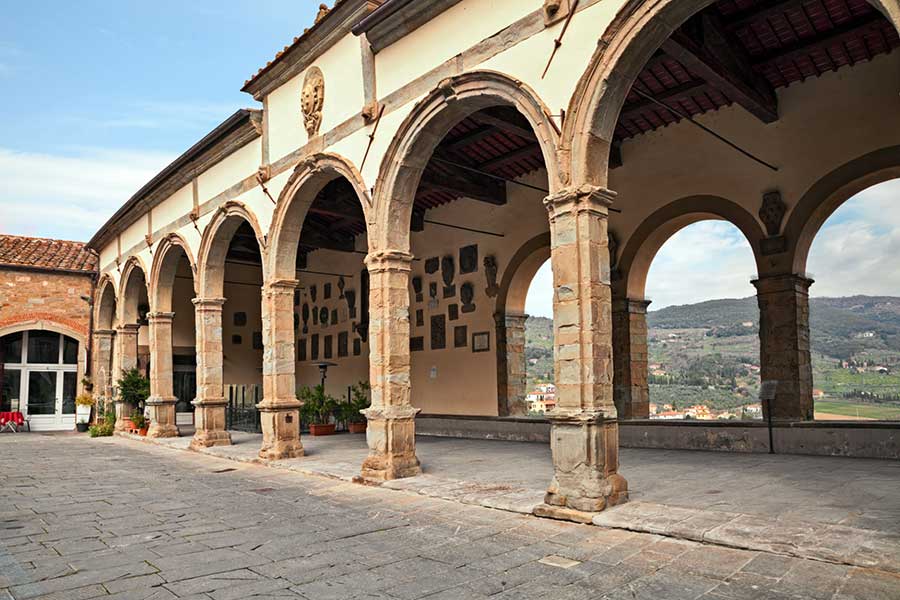
Returning and going up Corso Italia, you arrive at the Logge Vasariane, which offer a suggestive view of the south-eastern part of the village and the small Valle di Chio, located between Castiglion Fiorentino and Mount Sant’Egidio, the highest peak of the southern Tuscan Antiappennines.
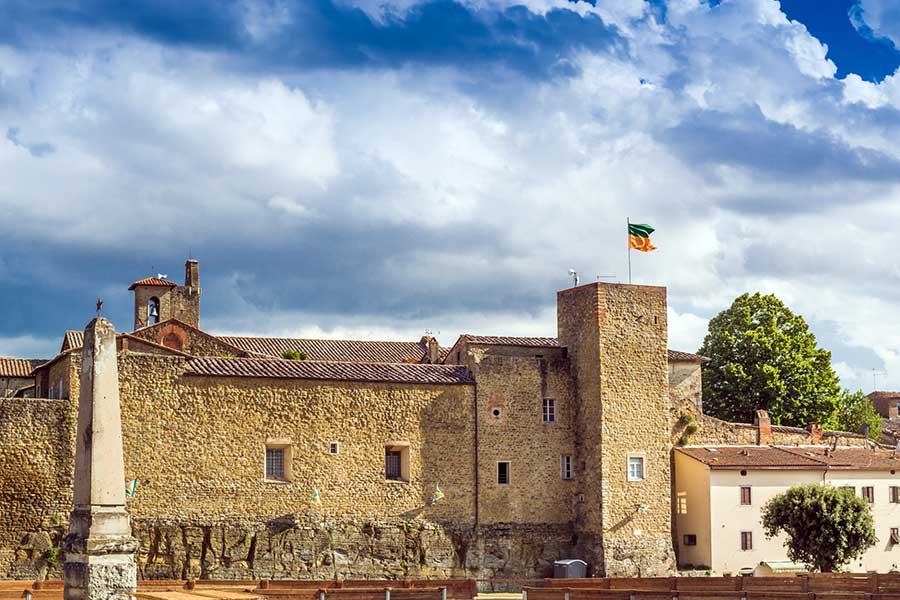
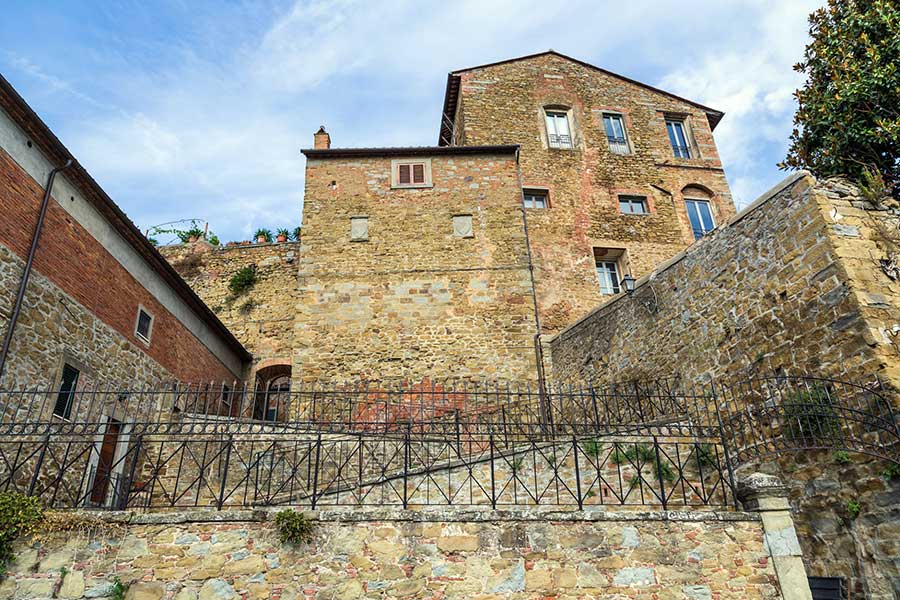
Continuing through the maze of alleys, following the bulk of the buildings that dominates Castiglion Fiorentino, we reach the Cassero Tower, a construction of Etruscan origin that was enhanced to its present appearance in the 14th century during the domination Perugia. The tower dominates the oldest area of Castiglion Fiorentino, as demonstrated by the numerous ongoing archaeological excavations, which can be visited through a series of underground routes. Its summit offers a splendid view of the peaks of the Antiappennines, close to the border with Umbria, to the Amiata and Cetona mountains and the hills where the other centres of the Valdichiana.
Exiting the Cassero area is the Palazzo Pretorio, which houses the local Museo archaeological museum.
Next to the Palazzo Pretorio stands the ancient Church of Sant’Angelo al Cassero: built in the 12th century, in more recent times deconsecrated, it houses the Pinacoteca Municipal Art Gallery, of considerable interest to lovers of sacred art, given the presence of splendid works of local goldsmithing.
Visit the surroundings of Castiglion Fiorentino
Discover enchanting villages, beautiful views and cities of art